
July Newsletter 2026 | Workplace Safety Bill Passes Third Reading
Updated: 5 days ago

H&S Bill Passes Third Reading

The Health and Safety Amendment Bill has passed its third reading in Parliament. Labour is promising to repeal it should it enter government.
However, Workplace Relations and Safety minister Brooke van Velden said the bill would restore "clarity, common sense, and focus" to New Zealand's work health and safety system, by focusing on critical risk.
Those of you who know Safewise well will know that we do not believe common sense has a place in health and safety. It requires workers to make their own, often uninformed decisions, and has potential to cause harm. Whilst responsible PCBUs (persons conducting a business or undertaking) will continue to protect their workers from critical, wellbeing and other hazards, there is a very high risk that others will not.
If the bill is enacted, it will come into effect on 1 April 2027.
Workplace Safety Reform
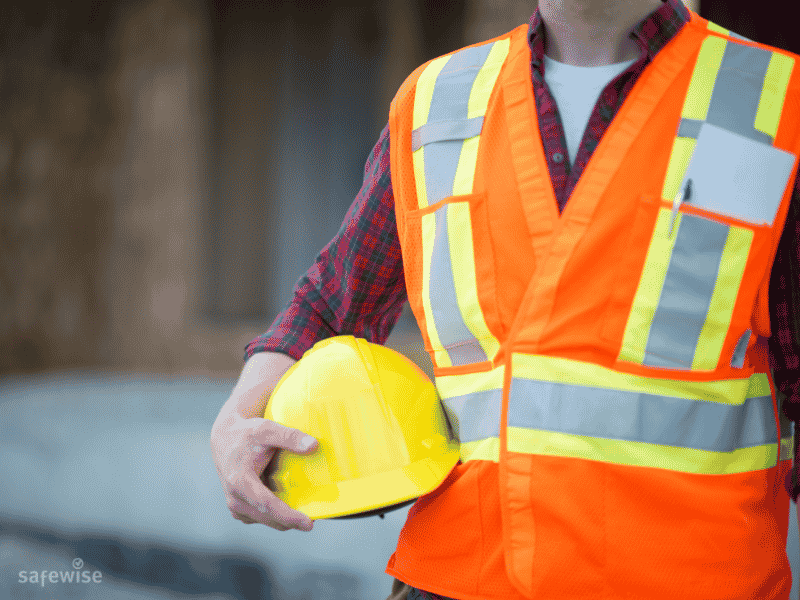
A recent article shared by RNZ explores the proposed changes to New Zealand’s health and safety laws, and whether they will genuinely reduce red tape or simply shift responsibility.
Strong health and safety management has never been about passing responsibility to workers. It is about leadership, clarity, and ensuring risks are properly managed so everyone gets home safe.
7 Questions for Better H&S Systems

Mid-year is the perfect time to step back and review how well your health and safety systems are actually working in practice.
In this blog, we share 7 key questions every NZ business owner should be asking right now to strengthen workplace health and safety and improve day-to-day risk management.
Enjoying our services?

Please leave us a review, your feedback helps us to improve!
Consultant’s Corner
By Sara Crawford.
Working Safely Through Winter
Winter can bring extra challenges for many workplaces, particularly for those working outdoors or exposed to cold, wet, or windy conditions. Even when temperatures are not extreme, these conditions can affect concentration, energy levels, and overall wellbeing, increasing the likelihood of mistakes and incidents.
Working safely in winter requires a combination of planning, worker wellbeing, practical risk management, and the right PPE for the task.


Comments